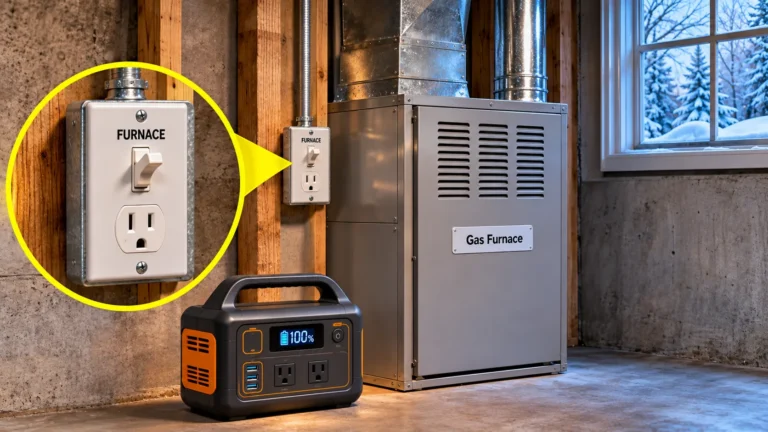
How to Run a Gas or Oil Furnace During a Power Outage
Learn how an inexpensive furnace switch and outlet modification can help keep your home warm during a blackout, including the parts, backup power requirements, and safe installation options.
Home Backup Doesn't Have to Be Difficult
 Proudly supporting American homes with reliable power solutions.
Category
Guides, comparisons, calculators, and product recommendations for portable, inverter, standby, dual-fuel, tri-fuel, and whole-home generators.
Learn how an inexpensive furnace switch and outlet modification can help keep your home warm during a blackout, including the parts, backup power requirements, and safe installation options.
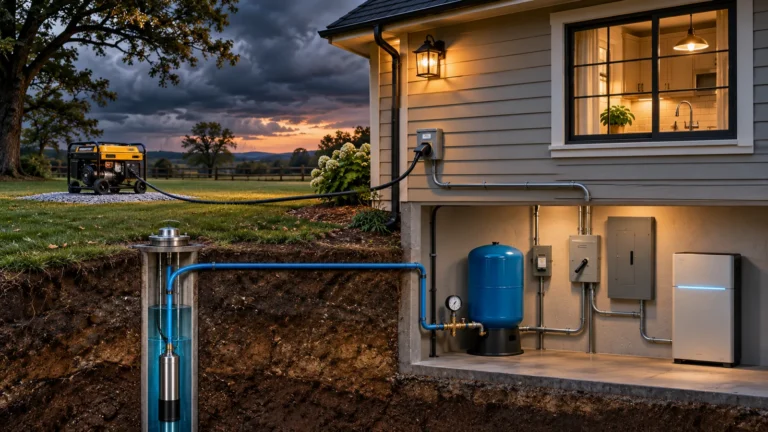
Keep your well pump running during a power outage with the right generator or battery system. Learn 120V and 240V requirements, horsepower-based sizing, and safe backup connections.
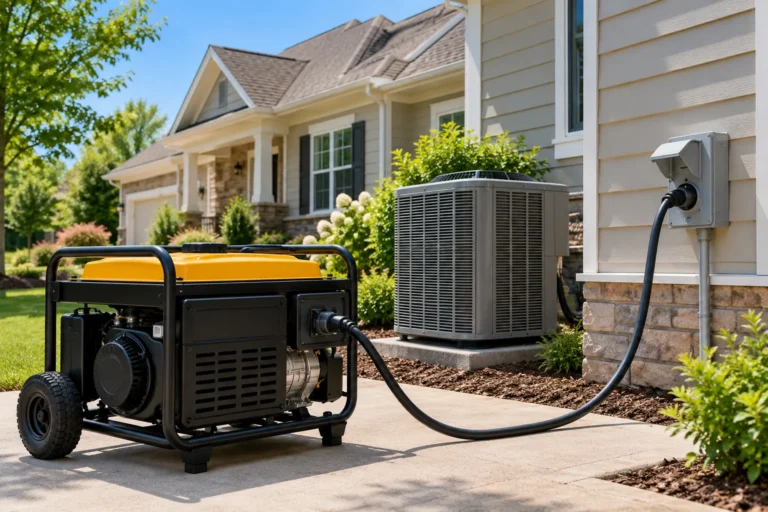
Learn how to size a generator for central air, compare 2–5 ton systems, understand startup demand, and see how a soft start can dramatically reduce compressor surge.
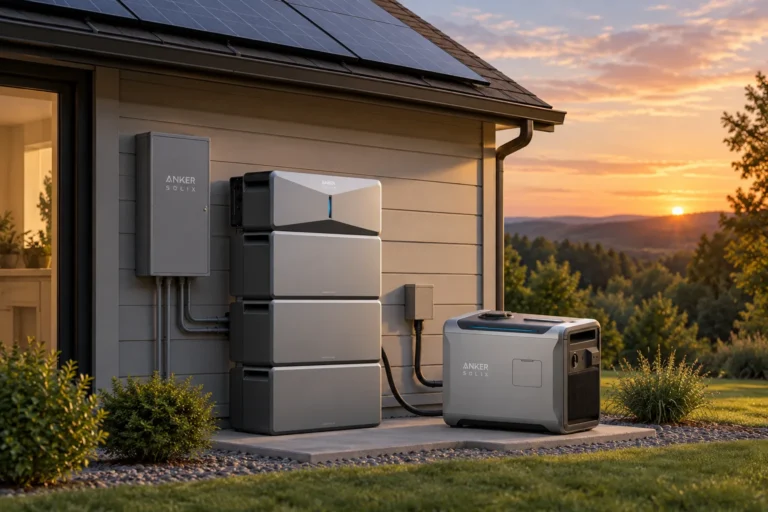
See how the Anker SOLIX E10 modular system combines solar, up to 90 kWh of battery storage, 10 kW Turbo power, and a tri-fuel generator for whole-home backup.
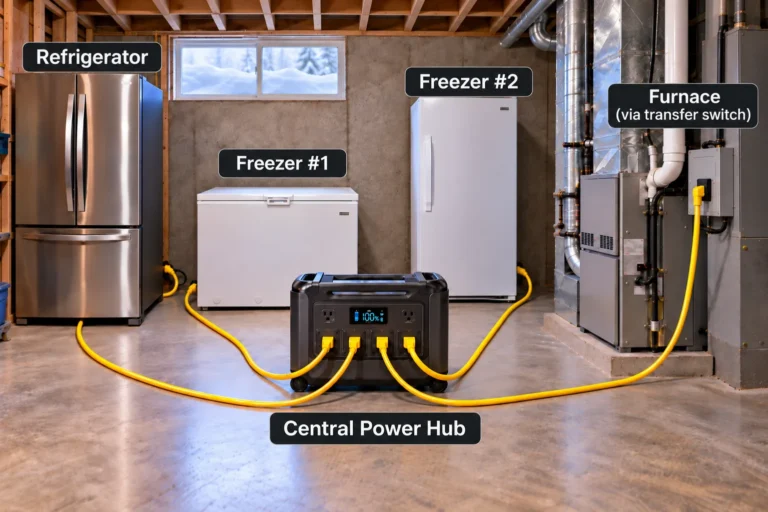
Learn how to power refrigerators and freezers with extension cords, safely back up a fuel-burning furnace, size your power source, and manage limited battery capacity.
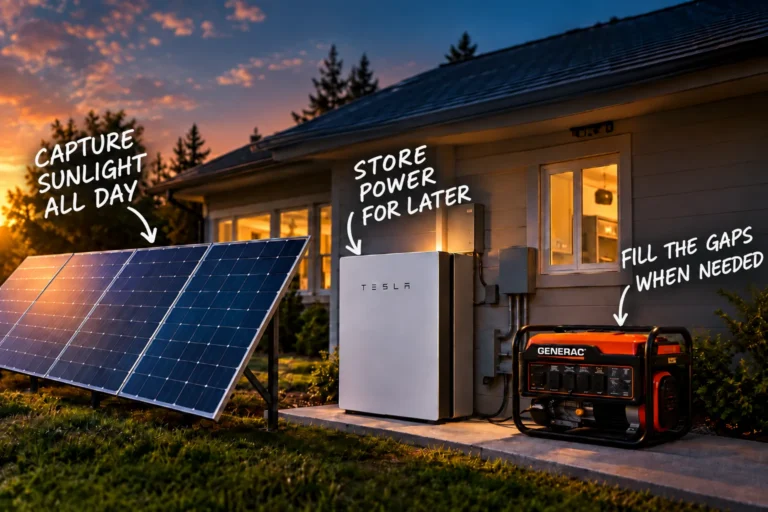
A resilient backup system can use batteries for instant power, solar for daily recharging, and a generator for the gaps when stored energy and sunlight are not enough.
AI data centers are consuming growing amounts of electricity. Learn how they could affect electric bills, grid reliability, and home backup planning.
Learn about starting watts, surge watts, and running watts and how they affect generator and portable power station sizing.
Choose the right generator size for a camper van, 30-amp RV, or 50-amp RV—including air-conditioning loads, fuel, noise, and safe operation.