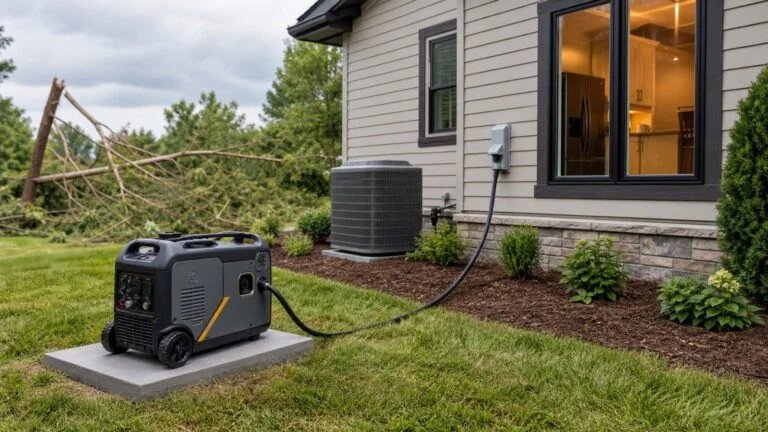
Starting Watts vs. Running Watts: Surge Power and Generator Sizing
Learn about starting watts, surge watts, and running watts and how they affect generator and portable power station sizing.
Home Backup Doesn't Have to Be Difficult
 Proudly supporting American homes with reliable power solutions.
Category
Learn about starting watts, surge watts, and running watts and how they affect generator and portable power station sizing.
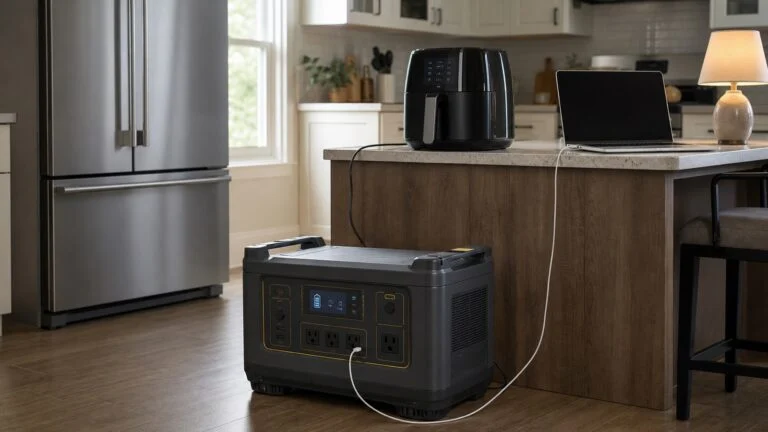
[Infographic Included] See what a 2,000-watt portable power station can run, with realistic runtime estimates for appliances from sump pumps to air fryers and refrigerators.
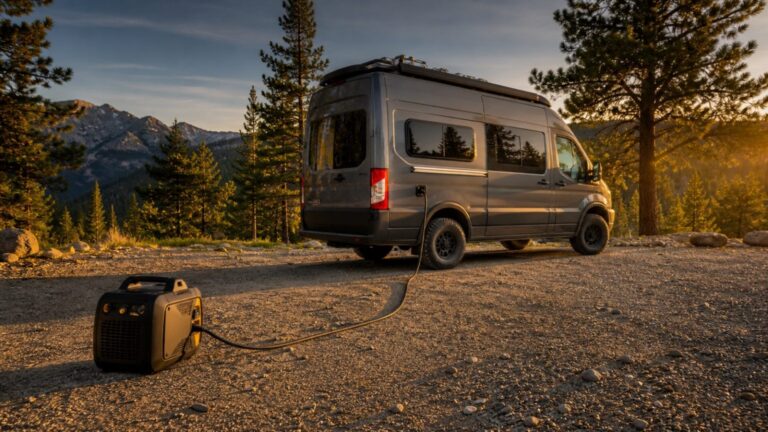
Choose the right generator size for a camper van, 30-amp RV, or 50-amp RV—including air-conditioning loads, fuel, noise, and safe operation.
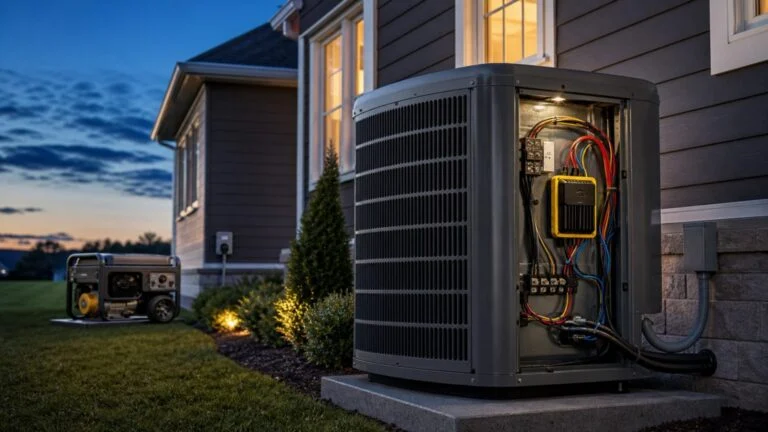
An AC soft starter can reduce compressor startup current, help central air run on backup power, limit light dimming, and make startup smoother.
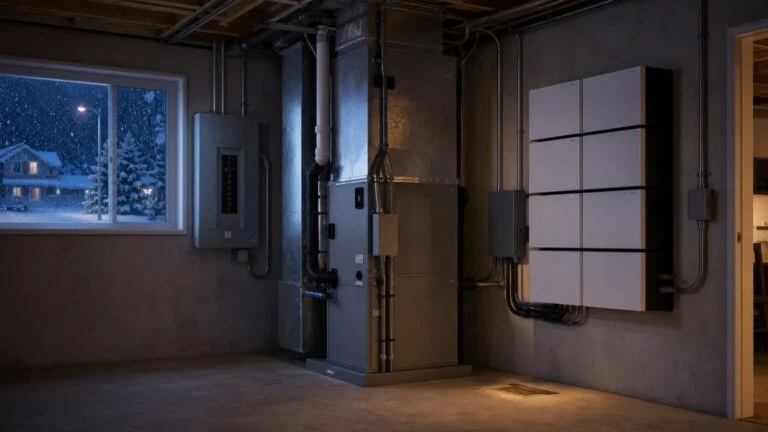
Learn what size generator an electric furnace needs, why most batteries fall short, and how heat pumps, regional costs, and safe connections change the plan.
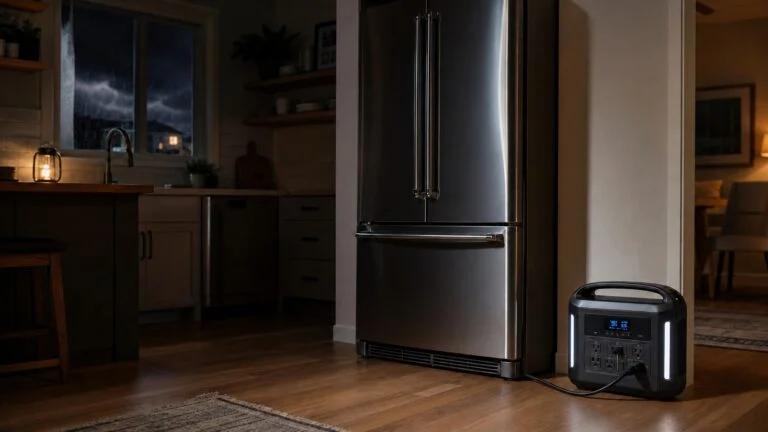
Learn how to size a portable power station for a refrigerator using battery capacity, compressor surge, daily energy use, and realistic outage runtime.
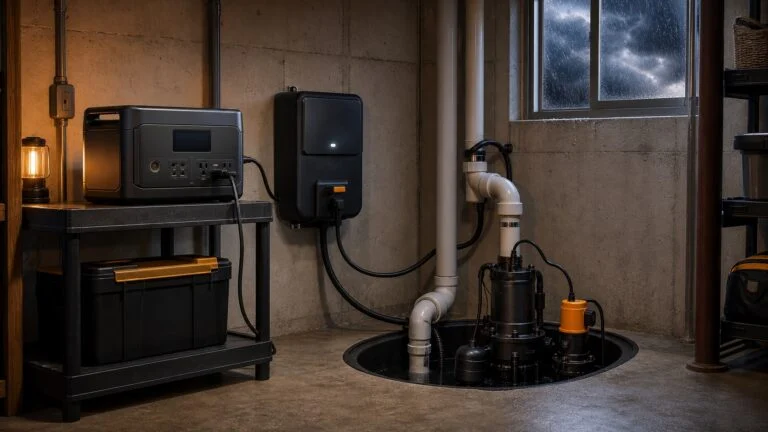
Learn how to keep a sump pump running during an outage with battery backup pumps, portable power stations, generators, and layered protection.
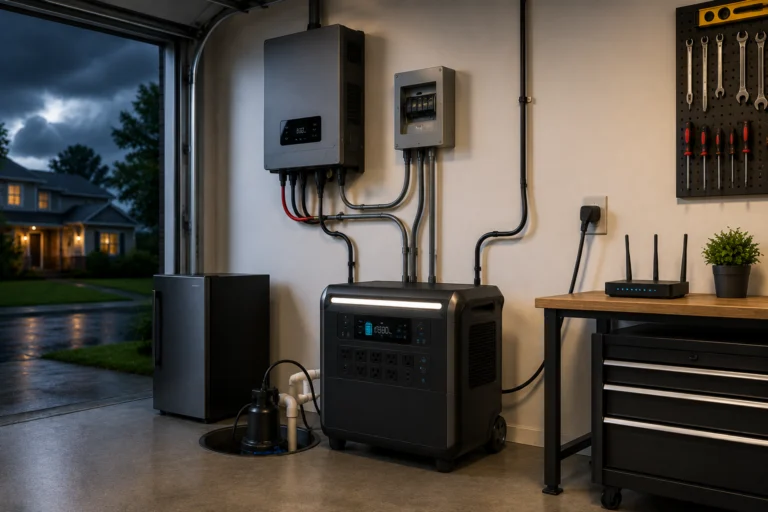
Compare the advantages, disadvantages, sizing requirements, and top brands before choosing a home battery backup system for your home.
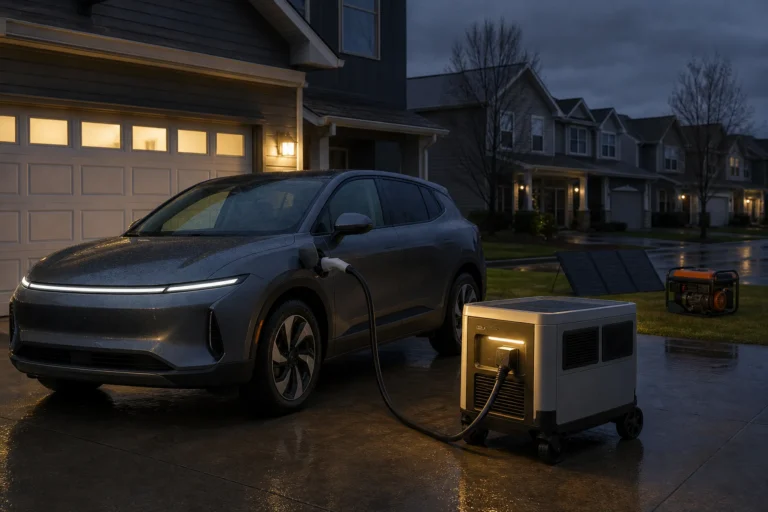
A portable power station can charge an electric vehicle, but capacity, inverter output, grounding, and charging losses determine how useful it will be.